Last updated: August 10, 2026
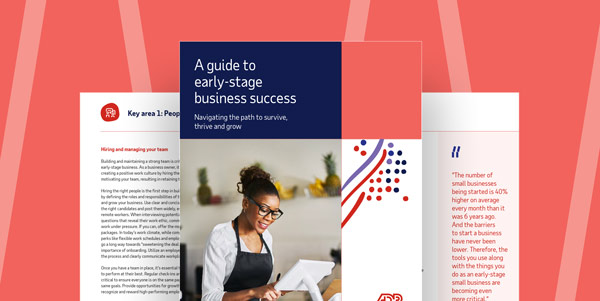
A small business owner’s toolkit is the foundation for planning, launching and running a business. It covers various topics in HR, finance and operations to help entrepreneurs minimize risk and increase their chances of success.
Small business owner’s toolkit key takeaways:
- ADP’s small business owner’s toolkit explains how to create a business plan, hire and retain employees, safeguard a business, manage finances and make the most of technology.
- Start with a solid business plan: Define your business model, target market, competitive advantage, financial projections, marketing strategy, and operating structure before launching.
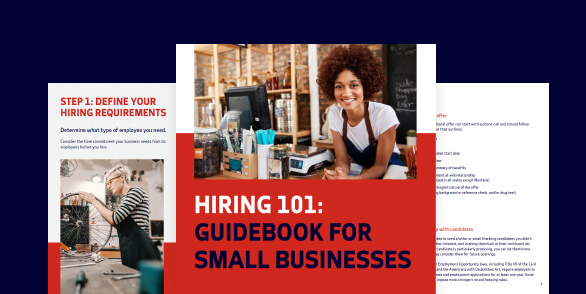
- Invest in hiring and the employee experience early: Recruit strategically, onboard employees effectively and provide ongoing training, recognition and competitive benefits to improve engagement, productivity and retention.
- Protect the business: Secure appropriate coverage, such as workers’ compensation and business insurance, and develop succession plans to ensure long-term business continuity.
- Maintain strong financial discipline: Separate business and personal finances, budget for payroll and operating expenses, track receivables and payables, and work with a certified public accountant (CPA) to help manage taxes.
- Leverage technology to improve efficiency and security: Use payroll and HR software solutions to automate administrative work, gain business insights and protect sensitive employee and company data.
FAQs about the small business owner’s toolkit
What resources does a new small business owner need?
New small business owners first need a business plan that lays the foundation for financial management, operations and marketing and sales. Next, they need recruitment and onboarding programs, as well as benefits packages, to attract, develop and retain talented people. Finally, they need technology and adequate insurance coverage to run the business efficiently and protect it from risks.
What are the most important areas to manage when starting a business?
When starting a business, some of the most important areas to manage are people, finances and risk. People management involves recruitment, onboarding, training, benefits and payroll. Financial management entails budgeting and tracking accounts payable and receivable. Risk management requires insurance coverage, data security and regulatory compliance.
How can small business owners manage payroll and HR?
Small business owners can manage payroll and HR more effectively by using technology to automate routine tasks, such as recruiting, onboarding and payroll processing. Automating these responsibilities saves time and minimizes the risk of costly errors. Payroll and HR solutions also commonly have employee self-service tools, which can further improve productivity – for employees and employers alike.
How can small businesses reduce compliance risk?
Small businesses can reduce compliance risk by using payroll and HR software to improve the accuracy of their wage and tax calculations. Other measures include implementing strong data security practices, keeping pace with applicable regulations and purchasing insurance coverage. If compliance challenges persist, employers may want to consult a CPA or an attorney.